LED lighting presents a compelling opportunity for homeowners seeking to maximize energy savings. These bulbs utilize considerably less energy than traditional options, resulting in lower utility bills and a reduced carbon footprint. With an impressive lifespan of around 25,000 hours, they also lessen the frequency of replacements. Understanding the financial and environmental advantages of LED technology can lead to informed choices that impact both personal finances and community sustainability efforts. What other benefits might emerge from this lighting revolution?
Key Takeaways
- LED lights use up to 75% less energy than traditional bulbs, significantly lowering electricity bills.
- With a lifespan of around 25,000 hours, LED bulbs reduce the frequency of replacements and waste.
- Lower energy consumption minimizes greenhouse gas emissions, supporting efforts against climate change.
- Upgrading to LED lighting can enhance property value and may qualify homeowners for rebates and incentives.
- Community initiatives promoting LED use foster environmental awareness and strengthen local ties among residents.
Illuminating the Path to Energy Efficiency
The true benefits of LED lighting in homes begin with the quiet but powerful gift of energy conservation. Unlike traditional bulbs that waste much of their power as heat, LEDs transform energy into light with elegant precision. This efficiency translates directly into lower utility bills and a lighter environmental footprint — a small change that ripples outward into meaningful global impact. Each illuminated room becomes a gentle testament to mindful living, where modern technology and environmental care coexist in harmony. Through this simple upgrade, homeowners discover that sustainability need not be grand to be transformative.
Longevity That Lights the Years Ahead
Among the most remarkable benefits of LED lighting in homes is their enduring lifespan. With an average of 25,000 shining hours, these bulbs whisper a promise of constancy and ease. No longer must homeowners climb ladders to replace bulbs every few months; instead, they can enjoy years of reliable, warm light that brightens daily routines. This longevity not only reduces waste but also saves time, resources, and effort — small luxuries that enrich modern living. In their endurance, LED lights remind us that true progress lies not in fleeting brilliance, but in lasting, dependable illumination.

Lighting the Way Toward a Sustainable Community
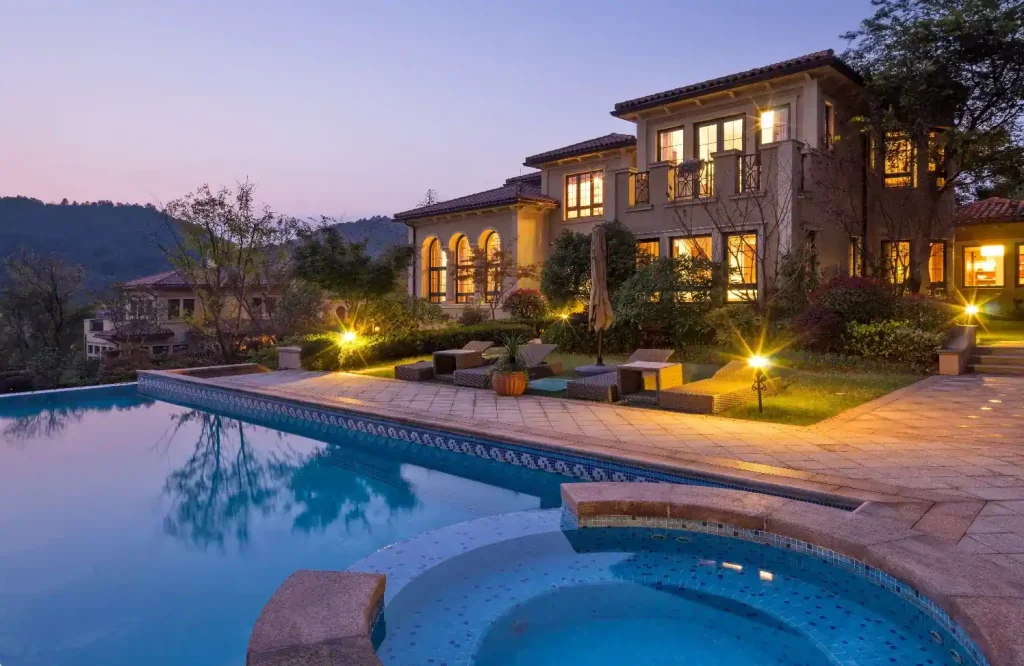
The benefits of LED lighting in homes extend beyond individual dwellings, reaching into the heart of communities. When neighborhoods collectively embrace LED technology, the shared reduction in energy consumption strengthens local sustainability efforts and builds a sense of unity. Each glowing window becomes part of a larger constellation — a quiet movement toward a cleaner, more responsible world. Beyond financial savings and efficiency, there is a deeper reward: the knowledge that every light contributes to a collective brightness that benefits both people and planet. In this way, LEDs illuminate not just homes, but hope itself.
Frequently Asked Questions
How Do LED Lights Compare to Traditional Incandescent Bulbs?
LED lights outshine traditional incandescent bulbs by consuming considerably less energy, boasting longer lifespans, and providing better efficiency. Their superior performance makes them an attractive option for homeowners seeking sustainable, cost-effective lighting solutions.
What Is the Lifespan of LED Bulbs?
LED bulbs typically last 15,000 to 50,000 hours, considerably surpassing traditional incandescent bulbs. This longevity not only reduces replacement frequency but also contributes to lower overall lighting costs, enhancing the benefits of LED lighting in homes.
Are LED Lights Safe for Children and Pets?
LED lights are generally safe for children and pets, emitting minimal heat and containing no harmful substances. Their durability and low risk of breakage further contribute to a secure environment for families and their beloved animals.
Can LED Lights Be Used in Outdoor Fixtures?
LED lights can indeed be used in outdoor fixtures, offering durability and resistance to weather conditions. Their energy efficiency and long lifespan make them an ideal choice for homeowners looking to enhance outdoor lighting while reducing energy costs.
Do LED Lights Emit Harmful Radiation?
LED lights do not emit harmful radiation. They produce light through electroluminescence, which is safe for everyday use. This characteristic contributes to the overall benefits of LED lighting in homes, promoting health and energy efficiency.
Conclusion
In summary, the shift to LED lighting offers homeowners a multitude of benefits that extend beyond mere energy savings. By consuming up to 75% less energy and boasting a remarkable lifespan, LED bulbs not only lower electricity bills but also greatly reduce environmental impact. This change not only supports individual financial well-being but also contributes to broader community sustainability efforts. Embracing LED technology is a smart, responsible choice that paves the way for a greener future for all.
You May Also Like To Read: