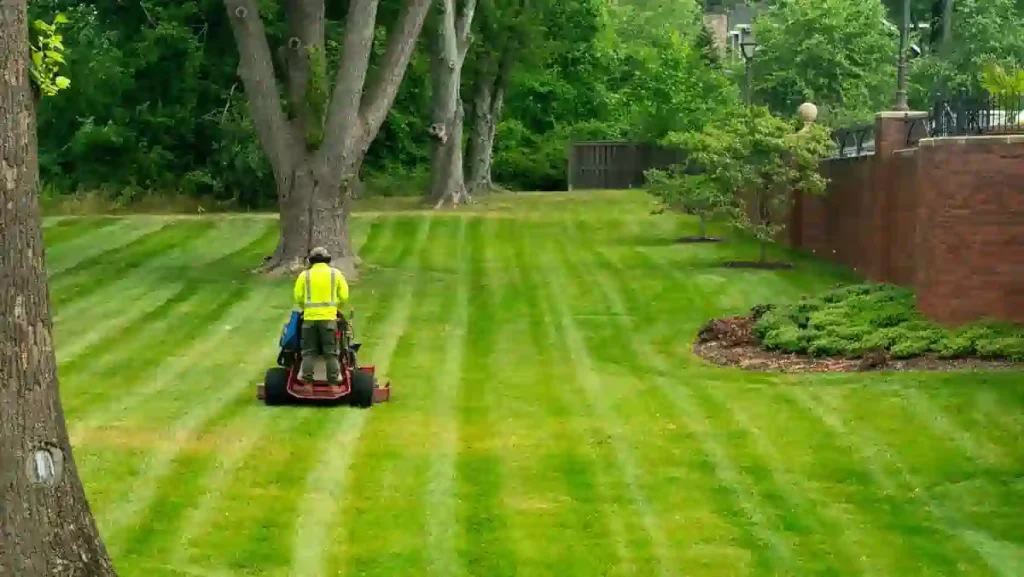
The frequency of mowing commercial lawns is essential for maintaining a professional appearance. Typically, lawns should be mowed every one to two weeks during the growing season. However, various factors influence this schedule, including grass type, weather conditions, and the specific use of the space.
Understanding these elements can lead to more effective lawn care strategies. Yet, the implications of these choices extend beyond simple aesthetics. What considerations should property managers keep in mind?
Key Takeaways
- Commercial lawns should be mowed every one to two weeks during the growing season for optimal appearance and health.
- Grass type, weather, and seasonal changes influence the ideal mowing frequency for maintaining a professional look.
- High-traffic areas may require more frequent mowing to ensure a polished and well-kept appearance.
- Consistent mowing schedules help prevent overgrowth, ensuring uniformity and aesthetic appeal throughout the property.
- Regular maintenance practices, such as edging and aeration, enhance the overall professionalism of the lawn.
How Often Should Commercial Lawns Be Mowed?
How often should commercial lawns be mowed to maintain their professional appearance? Typically, commercial lawns require mowing every one to two weeks during the growing season, which can vary based on climate and grass type. Regular mowing not only enhances the aesthetic appeal but also promotes healthy growth, preventing weeds and disease. Maintaining consistent mowing aligns with industry standards, fostering a sense of pride and belonging among employees and clients alike.
Additionally, properties that prioritize their landscape management reflect professionalism and attention to detail. Ultimately, determining how often commercial lawns should be mowed is essential for upholding a polished image, ensuring that landscapes remain inviting and well-kept for all who visit or work within those spaces.
Key Factors That Determine Lawn Mowing Frequency
Several key factors influence the frequency with which commercial lawns should be mowed, ensuring a well-maintained appearance that aligns with professional standards. Grass type plays an essential role; certain species grow faster and require more frequent cutting. Additionally, weather conditions greatly impact growth rates—warmer temperatures and adequate rainfall can accelerate lawn growth, necessitating more regular mowing.
The intended use of the space is also important; high-traffic areas may demand a more polished look, warranting increased maintenance. Finally, seasonal variations in growth patterns should be considered, as they can dictate ideal mowing schedules. Understanding these factors allows property managers to determine how often commercial lawns should be mowed, sustaining an attractive and professional landscape.
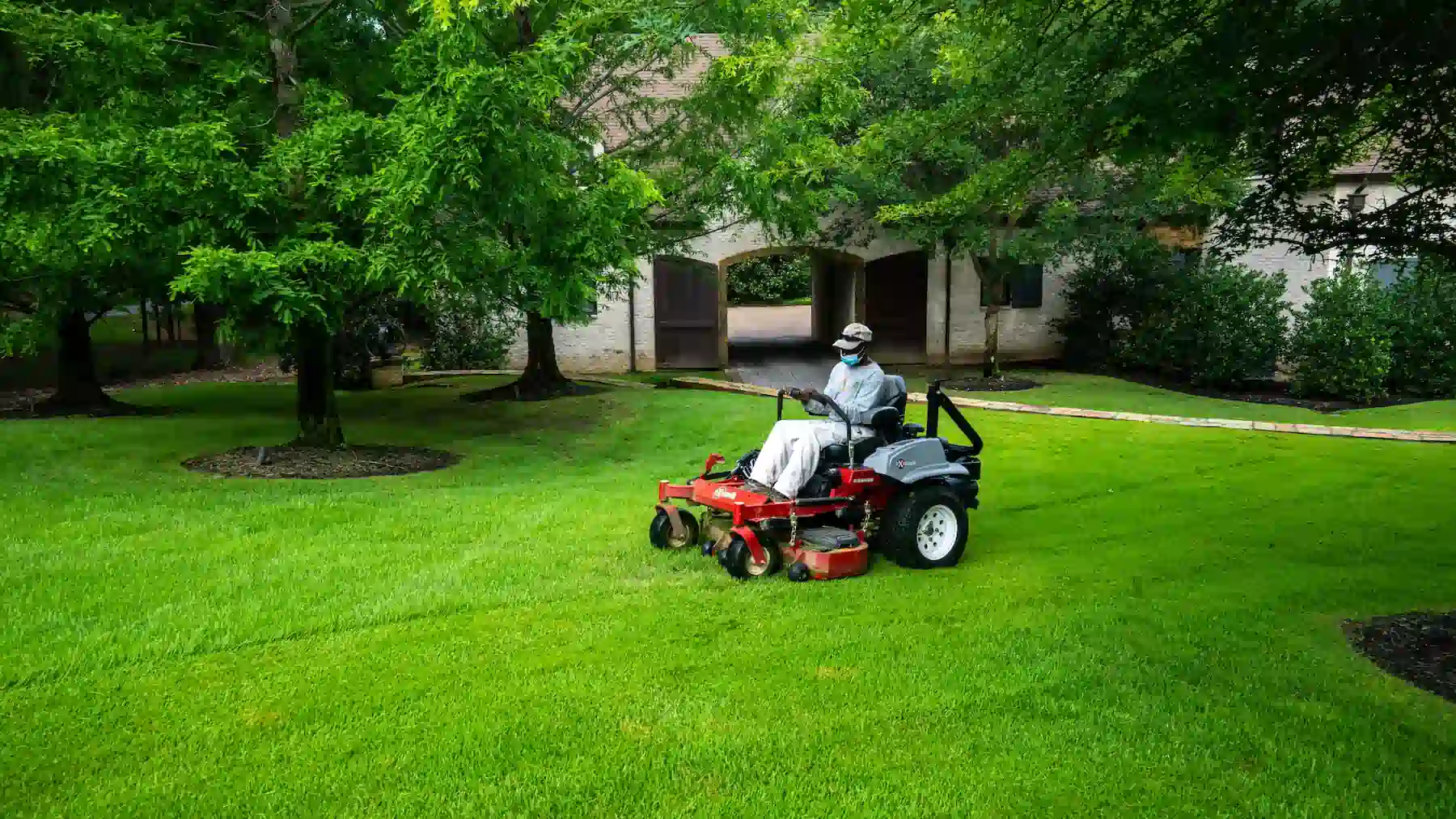
How Seasons Affect Lawn Mowing Frequency?
Seasonal variations greatly influence lawn growth and, consequently, the frequency of mowing required for commercial lawns. During spring, accelerated growth necessitates more frequent mowing, often weekly, as temperatures rise and rainfall increases. In contrast, summer heat can slow growth, allowing for bi-weekly mowing schedules. However, maintaining a consistent appearance remains vital, requiring attention even during slower growth periods.
As autumn approaches, growth typically stabilizes, prompting a gradual return to weekly mowing as the lawn prepares for winter dormancy. Winter presents unique challenges; while mowing may be infrequent, any necessary maintenance should not be neglected. Understanding these seasonal dynamics is essential for determining how often commercial lawns should be mowed to uphold a professional appearance throughout the year.
Top Tips for a Professional Lawn
What elements contribute to a professional lawn appearance? A well-maintained lawn communicates professionalism and attention to detail. First, consistent mowing schedules are vital; determining how often commercial lawns should be mowed guarantees uniformity and prevents overgrowth. Second, edge trimming along walkways and flower beds enhances definition, creating a polished look.
Third, regular aeration improves soil health, promoting robust grass growth. Additionally, ideal watering practices, tailored to regional climate conditions, prevent drought stress and promote deep roots. Finally, pest management is critical; addressing issues promptly prevents damage and maintains aesthetic quality. By integrating these strategies, property managers can cultivate an inviting landscape that reflects professionalism and fosters a sense of belonging for clients and visitors alike.
Essential Lawn Care Practices for Longevity
Maintaining a commercial lawn for longevity requires a systematic approach that integrates various essential practices. These practices not only enhance the aesthetic appeal of the property but also promote the health of the turf. Organizations should adopt the following strategies to guarantee a thriving lawn:
- Regular Mowing: Adhere to a consistent mowing schedule to prevent overgrowth and maintain uniformity.
- Soil Aeration: Enhance root growth and nutrient absorption by aerating the soil periodically.
- Fertilization: Apply appropriate fertilizers based on soil tests to nourish the grass effectively.
- Irrigation Management: Implement a smart irrigation system to optimize water usage and prevent drought stress.
- Weed Control: Regularly monitor and manage weeds to reduce competition for nutrients and resources.
These practices collectively contribute to the longevity and professionalism of commercial lawns.
Frequently Asked Questions
What Type of Mower Is Best for Commercial Lawns?
A commercial zero-turn mower is ideal for efficiency and maneuverability, allowing operators to navigate tight spaces. Its speed and cutting precision enhance productivity, making it a preferred choice for maintaining professional-looking lawns consistently.
How Can I Tell if My Lawn Needs Mowing?
Signs indicating a lawn needs mowing include grass height exceeding three inches, uneven growth patterns, and yellowing tips. Monitoring these factors guarantees an aesthetically pleasing appearance, contributing to overall property professionalism and maintenance standards.
Should I Mow During Rainy Weather?
Mowing during rainy weather is generally discouraged. Wet grass can clump, leading to uneven cuts and possible lawn damage. Additionally, muddy conditions may cause equipment issues, resulting in a less professional appearance for commercial properties.
What Height Should I Maintain for Commercial Grass?
Maintaining commercial grass at a height of 2.5 to 4 inches promotes healthy growth while enhancing aesthetics. This ideal height encourages root development, reduces weed competition, and guarantees a professional appearance for properties.
How Does Foot Traffic Affect Mowing Frequency?
Foot traffic markedly impacts mowing frequency, as increased wear necessitates more frequent maintenance. This helps maintain an even, healthy appearance, ensuring the lawn remains resilient and visually appealing in high-traffic areas, enhancing overall property professionalism.
Conclusion
To sum up, maintaining a professional appearance for commercial lawns necessitates careful consideration of mowing frequency, typically every one to two weeks during the growing season. Factors such as grass type, weather conditions, and the specific use of the space play pivotal roles in determining this schedule.
By adhering to consistent mowing practices and integrating essential lawn care techniques, property managers can foster a healthy, attractive environment that reflects professionalism and enhances the overall appeal of commercial spaces.
You May Also Like To Read: